


How the Costa del Sol blends Andalusian tradition with Michelin's cutting-edge style
The cuisine of Málaga, from the grills of beach bars to Michelin-starred kitchens, cements the province of Málaga’s status as one of the great gastronomic destinations, where a respect for local produce guides a cuisine that is increasingly open to the world.
The memory of the palate: roots, sea and garden
The gastronomy of the Costa del Sol cannot be understood without considering the surrounding landscape. The sea, the orchards, the inland villages, and an agricultural and fishing tradition passed down through generations have built a culinary culture based, above all, on respect for the product.
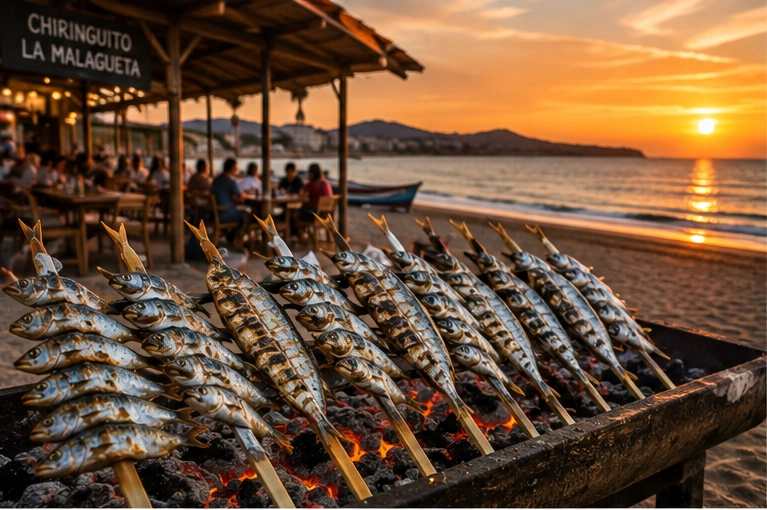
There are flavours that have been part of Málaga’s identity long before gastronomy became one of the destination’s major tourist attractions. The sardine skewer, now one of the great culinary symbols of the coast; fried fish; ajoblanco (a cold almond and garlic soup); gazpachuelo (a cold tomato soup); and produce from the Guadalhorce and Axarquía valleys are all part of that collective memory.
They are seemingly simple preparations, but behind them lies a deep knowledge of the territory: knowing how to choose the product, respecting its season and cooking it without hiding its characteristics.
This abundance of food is one of the province's greatest strengths. The Mediterranean climate, the fishing and agricultural traditions, and the diversity of its municipalities allow for an extraordinary variety of products and cuisines to be found in a single destination.
And that is precisely where one of the keys to the culinary evolution of the Costa del Sol: the ability to move forward without abandoning one's roots.
When tradition comes to haute cuisine
In recent years, Málaga and the Costa del Sol have undergone a true gastronomic transformation.
Marbella, Ronda, Fuengirola and the city of Málaga itself are part of an increasingly recognised gastronomic map, with establishments that have turned cuisine into an experience capable of attracting visitors from all over the world.
But evolution is not just about incorporating modern techniques or achieving international recognition.
What is truly interesting is to see how haute cuisine finds inspiration in the gastronomic memory of the territory.
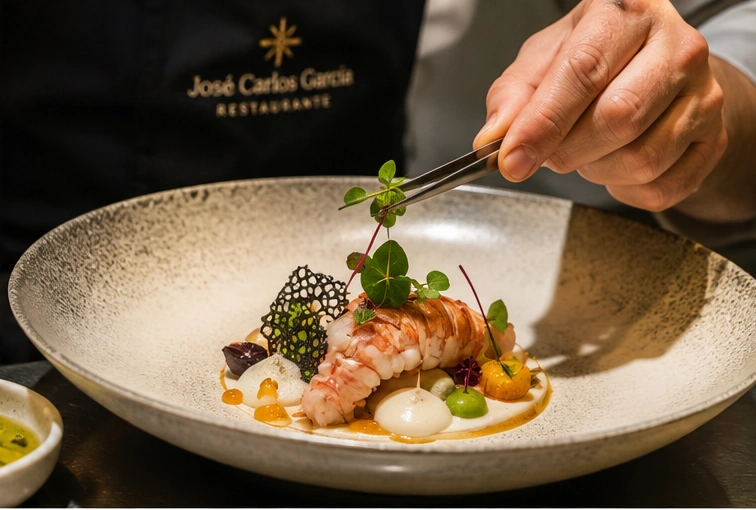
A traditional product can become the starting point for a contemporary dish. A flavour associated with home cooking can be reinterpreted from a completely different perspective. A recipe linked to popular culture can acquire a new dimension when it passes through the hands of a chef who understands the possibilities of contemporary gastronomy.
In this way, innovation does not replace tradition: it engages in dialogue with it. talk to her.
Avant-garde cuisine thus allows deeply local flavours to be discovered by an international visitor who may have never before tasted gazpachuelo, ajoblanco or fish prepared in the traditional style.
The gastronomic experience then also becomes a way of getting to know the destination.
Local products as a differentiating factor
In an increasingly competitive tourism market, destinations need to offer experiences that are difficult to replicate elsewhere.
Gastronomy has precisely that capacity.
One beach can compete with another beach. One hotel can compete with another hotel. But a gastronomic experience linked to the land has a component of authenticity that is much harder to copy.
On the Costa del Sol, local products allow us to build that narrative.
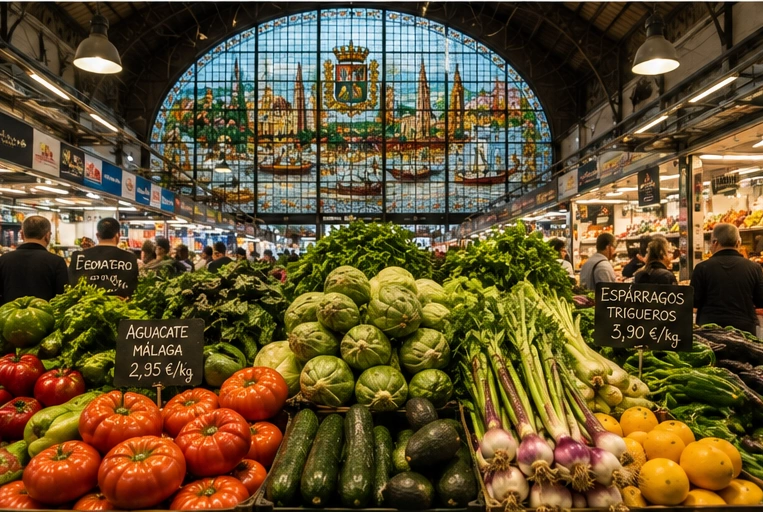
The sea and the garden, popular cuisine and the creativity of new chefs, markets and restaurants, small producers and high-end gastronomy establishments are all part of the same value chain.
And that chain doesn't end in the kitchen.
Behind every dish lies the work of farmers, fishermen, producers, chefs, head waiters, and sommeliers. It's an activity that connects the primary sector with the hospitality industry and, ultimately, with the visitor.
Therefore, talking about gastronomy is also talking about economy, employment, culture and territory.
Gastronomy to attract and retain travelers
Gastronomy to attract and retain travellers
Today's traveller isn't just looking to see a place. They want to experience it, understand it, and take away memories that will stay with them.
Gastronomy responds particularly well to that demand.
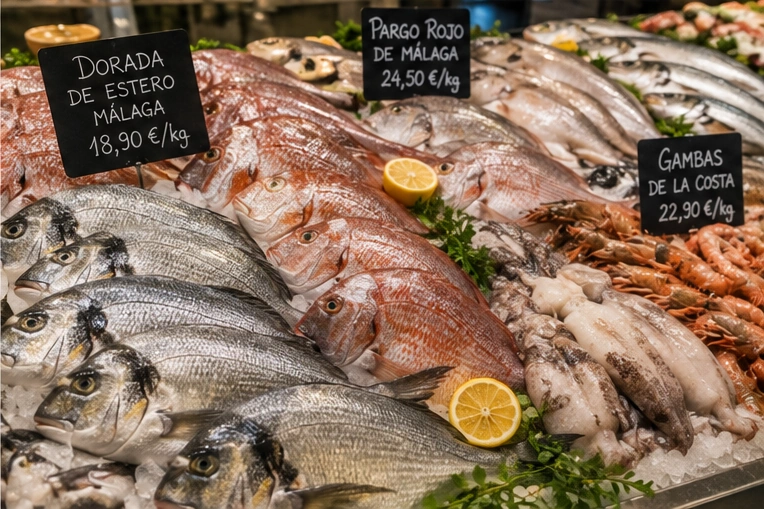
Eating a skewered sardine overlooking the Mediterranean, discovering a product from the Axarquía region, exploring a market, enjoying traditional cuisine in a local establishment, or sitting down to a haute cuisine tasting menu are all completely different experiences, but they all contribute to building a richer perception of the destination.
Furthermore, gastronomy can help to reduce the seasonality of tourismFurthermore, gastronomy can help to reduce the seasonality of tourism. It doesn't depend exclusively on good weather or the beach season and can become a specific motivation for travelling throughout the year.
It also contributes to increasing the length of stay and the associated travel expenses, especially when integrated with other products such as cultural tourism, luxury, golf, or experiences linked to the territory.
A kitchen with identity and a future
The great opportunity for the Costa del Sol lies precisely in ensuring that tradition and innovation continue to advance together.
Popular cuisine does not have to be relegated to memory, just as haute cuisine does not have to distance itself from local identity.
Between the two, there is a huge space for creativity.
The Costa del Sol boasts exceptional raw materials, a recognisable gastronomic tradition, and a new generation of professionals capable of reinterpreting that heritage and projecting it towards new audiences.
The challenge will be maintaining that balance: Innovate without losing identity, grow without losing authenticity, and turn gastronomic success into an opportunity for the entire territory.
Because the cuisine of Málaga is not limited to what ends up on the table. It is also a way of telling the story of who we are.
And when tradition and innovation manage to sit together, the result can become one of the best calling cards of a destination.