

There are interviews one prepares out of professional admiration, and others where it is impossible to separate that admiration from personal affection. This is one of them. Pilar Gil Hernández and I share a friendship forged over many years, through conversations, experiences and moments that are now part of our history. And there’s one anecdote that always makes me smile: Pilar has managed to get me to try and enjoy foods that I wouldn’t even have considered eating before. Those who know me realise that’s quite an achievement. That ability to broaden horizons, even in the little things, speaks volumes about her. Today I speak with Pilar out of respect for her extraordinary career and out of personal affection, convinced that one of the great treasures that tourism leaves us is the people we meet along the way.
Interview with Juanjo Oliván
Pilar Gil Hernández entered the tourism industry almost by chance whilst she was still a student, aged just 18. She very soon took on management responsibilities at Viajes Meliá, and later played a part in key phases of development for groups and brands such as Halcón and Catai. Today, having retired from professional life, her passion for the sector remains undiminished. Her account covers a significant part of the history of Spanish travel agencies and highlights something which, for her, has never lost its value: people.
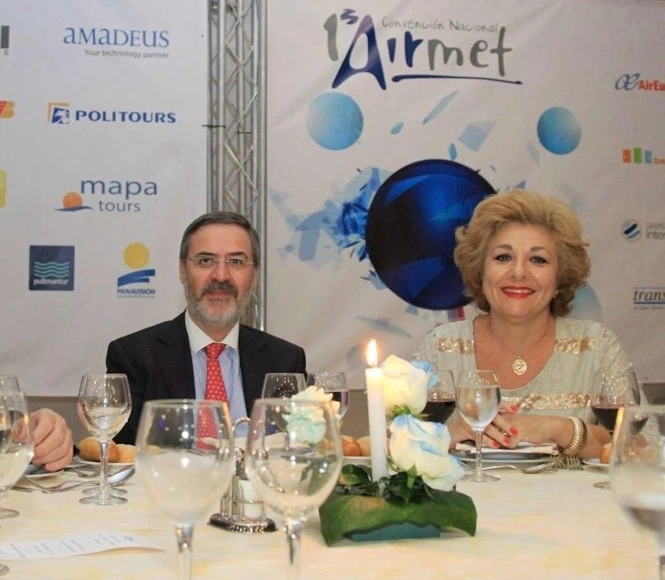
The career of Pilar Gil Hernández
Pilar, how did you get into the tourism industry, and what do you remember about your early days at Viajes Meliá?
My entry into the tourism industry was by chance. Whilst I was studying for my degree, an opportunity arose to work at Viajes Meliá, at the Princesa 27 office, as an executive secretary. I was 18 years old, spoke English and French, and those skills were not all that common amongst the candidates. The office had around 80 employees and handled sales, inbound tourism, group bookings and local excursions; it was almost a company in its own right. Without realising it, I learnt how to manage a travel agency from top to bottom: making bookings for clients referred by senior management, handling travel arrangements such as train and aeroplane tickets, staff registrations, resignations and holiday requests, and organising small meetings with shareholders and board members. I also began selling to Meliá’s VIP clients. I was then offered the chance to run a branch specialising in incentives and conventions on María de Molina. At the age of 23, Pepe Meliá appointed me manager of the Goya office. I was the first woman to take on that role at Viajes Meliá.
What was it about that way of working that you remember with particular fondness?
The close bond that was forged with colleagues and customers. The office team was incredibly supportive: we’d stay late when we had to issue tickets for groups or prepare documentation. We all pulled together without expecting anything in return. That’s how I learnt, for example, to issue airline tickets. There was a wonderful atmosphere, and I still keep in touch with friends from that time. I also remember the pride and sense of belonging I felt towards the Meliá brand. The guests were loyal and grateful; they’d go out of their way to be kind to the agents.
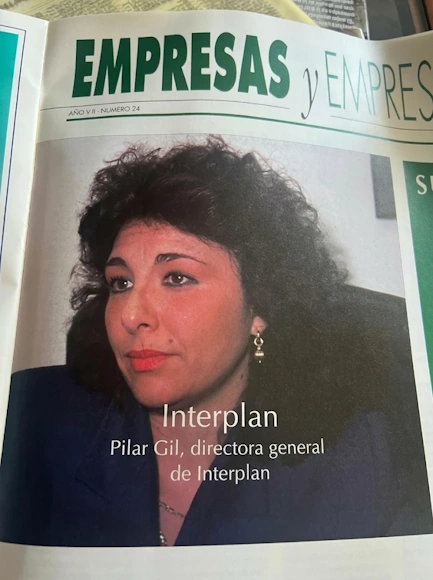
You’ve worked at Meliá, Eurotour, Tourplan, Interplan, Halcón and Catai. What impact has each stage of your career had on you?
Every company I have worked for has had a significant impact on my life. I owe my training as a travel agent to Meliá: it was a pioneering and forward-thinking company. At Halcón, I learnt how to run a business and develop commercial tools I’d never encountered before. I owe much of my knowledge and my current approach to Herminio Gil and Pepe Hidalgo. They were extraordinary to me; controversial figures, but extremely intelligent, and I have very fond memories of them. At Catai, I learnt to recognise the value of a job well done and to maintain and enhance a brand’s prestige. With Matilde, I learnt to say no to certain deals, to pursue a clear business objective and to bring a transaction to a logical conclusion. It was a great lesson. It’s a shame she left so soon.
In an increasingly digital profession, what value do human relationships still hold?
They are essential. It is true that today, particularly amongst younger people, the desire for immediacy means we turn to technology and digital platforms to connect with one another. But I can assure you that a phone call to a colleague with whom there is trust and respect can be hugely effective in getting help, driving a project forward or closing a deal. Fortunately, there is nothing more powerful than a sincere relationship between people, both in professional and personal life.
What role have friendship and personal relationships played in your life?
They have been and still are everything to me. There are so many people in the industry whom I genuinely care about, and I hope the feeling is mutual. I also make a point of keeping in touch with the many friends I’m lucky enough to have.
You were a pioneer in leadership roles at a time when they were still very male-dominated. How did you find that experience, and how do you view equality today?
I was fortunate that my bosses, all men, placed their trust in me from a very young age. It was unusual for a businessman like Pepe Meliá to put a 23-year-old woman in charge of an agency for the first time. He himself reminded me of this with pride a few years ago, when we bumped into each other by chance. I never had any trouble taking on responsibilities or leading teams made up of men. I did have to argue with my superiors on occasion to ensure that the same pay criteria were applied to me as to men with identical responsibilities, but I achieved my goals. Thirty years ago, some of my female colleagues were unwilling or unable to balance their personal lives with the demands of a management role. For me, it meant giving up a significant part of my personal and family life, something neither my family nor I have ever regretted. I believe that professional abilities are now assessed more objectively, regardless of gender. Even so, I would like to see many more women in top-level positions. Achieving a work-life balance remains difficult, especially for mothers, when the dedication and availability required are practically total.
Every long journey has its difficulties. What has helped you get through the tough times?
I am fundamentally a positive person: I believe that when one door closes, a hundred windows open. Professionally, the key has been self-belief. I have faced difficulties, but I have tried never to stop believing in myself, to set my next goal and to fight until I achieve it. On a personal level, I’ve learnt that, beyond positions and titles, what remains is the credibility, respect and trust that each person has earned. There are disappointments too. For me, friendship is an incredibly important concept, almost sacred; for other people, it may simply be a professional relationship with an expiry date.
What have been the most significant changes for agencies, and what role do you now attribute to artificial intelligence?
The internet, digital platforms and artificial intelligence are, in my view, the most significant transformations. They are useful and necessary tools, but they force us to become better professionals. It is no longer enough to recommend just anything or simply offer the cheapest option. Clients have access to information through various channels and need the estate agent to put themselves in their shoes, understand their expectations and recommend the best option under the most suitable financial terms. If they do not receive that added value, they will not use an estate agency. Used effectively, these tools save time, provide information and make the process quicker and more cost-effective for both estate agents and clients.
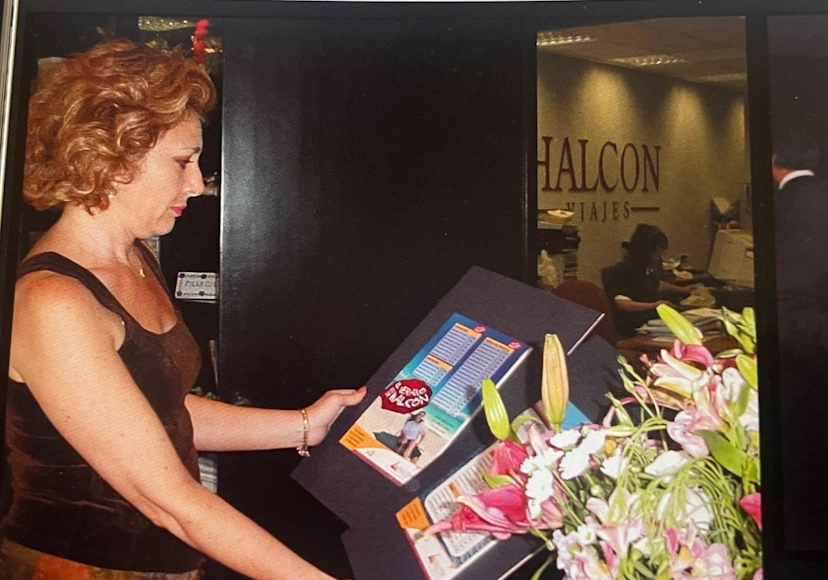
If you had to highlight a few key stages in your career, which ones would you choose?
I am pleased with my entire career, but I would single out Halcón and Catai. I joined Halcón from a well-established and well-structured company like Meliá. We had to adapt to extraordinary growth, with the opening of some 1,500 branches in just a few years, working from Monday to Sunday, travelling every week, training teams, creating our own products and also supporting the development of Travelplan and Air Europa. It was exhausting and exhilarating. At Catai, I was able to work with large networks, management groups and small independent agencies, always with humility and a commitment to service. I learnt a great deal from the latter and saw that, with effort, dedication and good service, they could compete with the large networks and remain profitable.
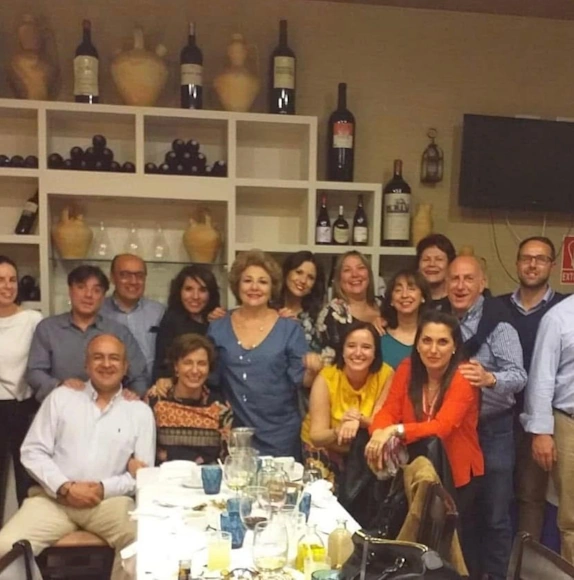
What differences do you see between the younger generations and those of you who started out decades ago? What advice would you give them?
When I started out, I sensed a great deal of enthusiasm for learning and building a future, with a willingness to work longer hours, travel, work on public holidays or relocate for a promotion. Today I see that, for many people, work is simply a means of earning a living that does not justify certain sacrifices. Then there’s work-life balance, which doesn’t always sit well with certain professional demands. Tourism requires effort, flexibility and, at times, decisions that cannot be put off. My advice would be to work with passion, enthusiasm and imagination. If you don’t like tourism, it’s better to look for another path. You also need to build sincere, fair and lasting relationships with customers, colleagues and suppliers; do not take advantage of them or deceive them. And you must value your work: put in the effort, do it well and get paid for it. Companies and customers know how to recognise a professional service that is delivered with care and passion.
When you look back on everything you’ve experienced, what do you think truly remains?
After many years, what remains are the relationships, the respect and the experiences that have had a decisive influence on your life. Knowing that you can ring someone and find help, and that you’ll do your best to help when you receive that call. Remembering the successes and also the mistakes, because they’ve all led you to where you are today. Receiving warm messages from people you once hired who now hold senior positions. Continuing to speak to former bosses with respect and gratitude, even if you argued a thousand times in the past. And, above all, being at peace with yourself.
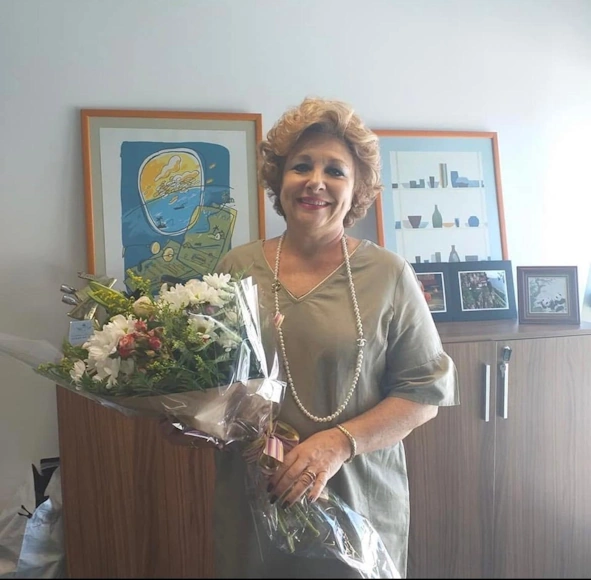
Now that you’ve brought your active career to a close, would you choose a career in tourism again?
If I were to be born again, I would do exactly the same things. I don’t look back. Tourism has been and remains my passion, my hobby and my profession; today it is also part of my leisure time. I keep up with the news and developments in the sector just as I did when I was working, and I believe that the essentials haven’t changed all that much. Tourism has given me almost everything, just as I gave it the best of myself. I was happy right up until my last day at work, maintaining the same pace and the same enthusiasm. I was also lucky enough to enjoy a wonderful send-off, full of warmth from the management and my colleagues at Ávoris. I couldn’t have chosen a better profession.
To read more: Artificial intelligence is transforming travel, but trust still comes down to specific individuals. See also the Pilar Gil Hernández’s profile on the AEPT.