

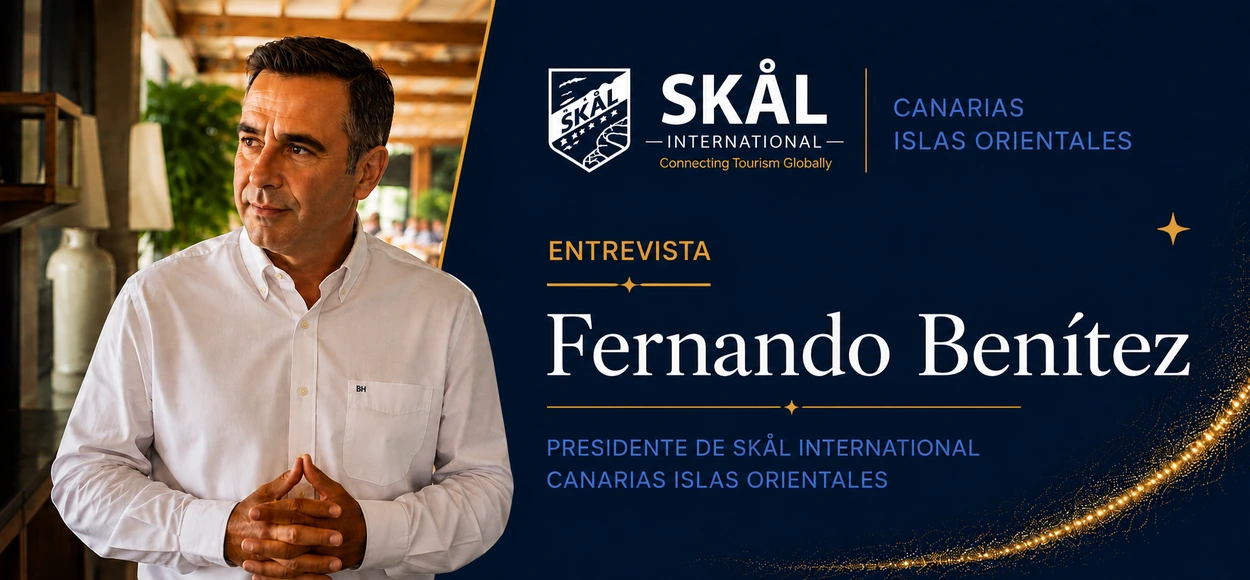
Skål International Canarias Islas Orientales is entering a phase of consolidation, with a view to bringing together professionals from Lanzarote, Fuerteventura and La Graciosa. Fernando, who took over as president in 2025 and works as a hotel manager, discusses the challenges facing a young club, the evolution of tourism in the Canary Islands and the need to balance hospitality with respect for the islands’ culture, landscape and environment.
Fernando, you took over as president of Skål International Canary Islands: The Eastern Islands in 2025. What prompted you to take that step, and what were your goals when you embarked on this new chapter?
It’s a project that’s practically in its infancy. My colleagues asked me to help get it off the ground and, thanks to the support and commitment of the entire board of directors, that is exactly what we are doing: working as a team to consolidate the club’s foundations.
How would you describe Skål Canarias Islas Orientales today, and what do you think sets it apart within our organisation?
It’s a truly wonderful and exciting project because it was set up with the aim of bringing together professionals from three islands — Lanzarote, Fuerteventura and La Graciosa — with all the opportunities for synergy and collaboration that this entails. The truth is, we’re well on the way.
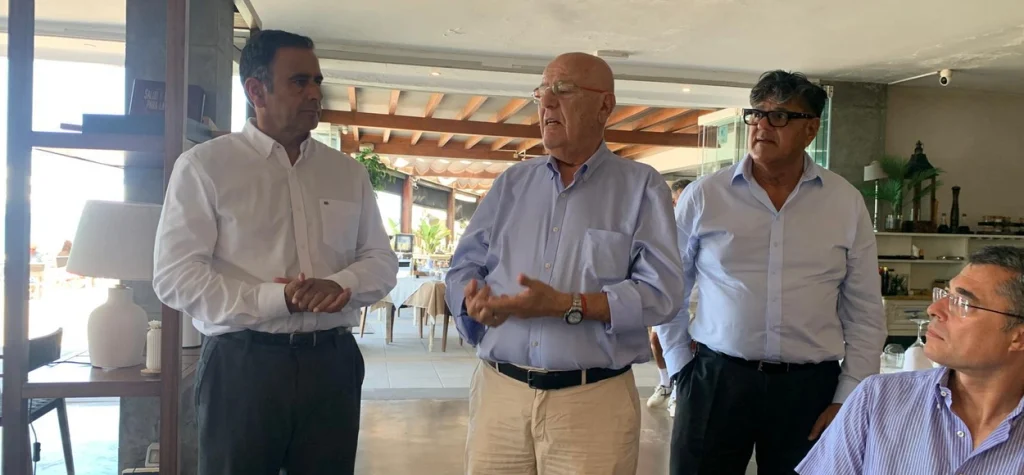
Your role as a hotel manager brings you into daily contact with guests, staff, suppliers and other professionals in the local area. How is the hospitality industry changing, and what challenges cause you the most concern in your day-to-day management?
In my day-to-day work, I can clearly see how the profile of travellers and the hospitality industry are evolving. However, there is one fundamental pillar that remains unchanged: our role as hosts. We must ensure that our visitors feel genuinely welcome, but at the same time we have a responsibility to convey to them the importance of observing, appreciating and respecting the local culture and environment.
When we talk about tourism in the Canary Islands, we are talking about an activity that is vital to the region’s economy, but also about the territory, its resources and community life. How do you think the islands’ tourism model should evolve over the coming years?
We must showcase the immense cultural and natural heritage of our region. The aim is to ensure that visitors« perceptions go far beyond the traditional »sun and beach’ concept — which, of course, remains a key pillar — by offering a comprehensive and sustainable narrative of what the islands represent.
For decades, Lanzarote has linked its development as a tourist destination to the protection of an extraordinarily unique landscape. What can this experience contribute to the current debate on sustainability and growth in tourism?
At Skål International Canarias Islas Orientales, we are convinced that our expertise must be represented in tourism discussion forums. We contribute our first-hand experience of day-to-day operational and destination management. This real-world perspective enables us to help public officials make strategic decisions based on current technical expertise and the historical developments we have witnessed.
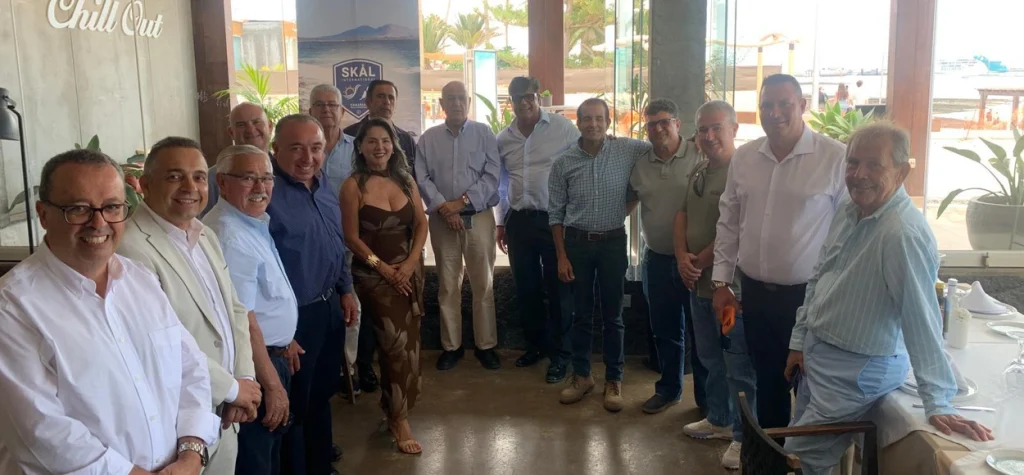
In an island territory that is geographically fragmented, connecting professionals presents an added challenge. What role can Skål play in fostering greater networking, collaboration and opportunities amongst tourism professionals on the islands?
We aim to be the central link that unites not only the three islands we directly represent, but the entire archipelago. We maintain constant and fluid communication with the other Canary Islands clubs in order to build a strong, cohesive professional network free from geographical barriers.
If you had a tourism professional in front of you who didn't yet know Skål, what would you say to explain why it's worthwhile to be part of this organization?
I would tell him that we are a community of professionals in the sector who share common interests and have come together to stay connected. This network not only gives rise to natural business opportunities, but also provides a unique space in which to share experiences and celebrate friendship.
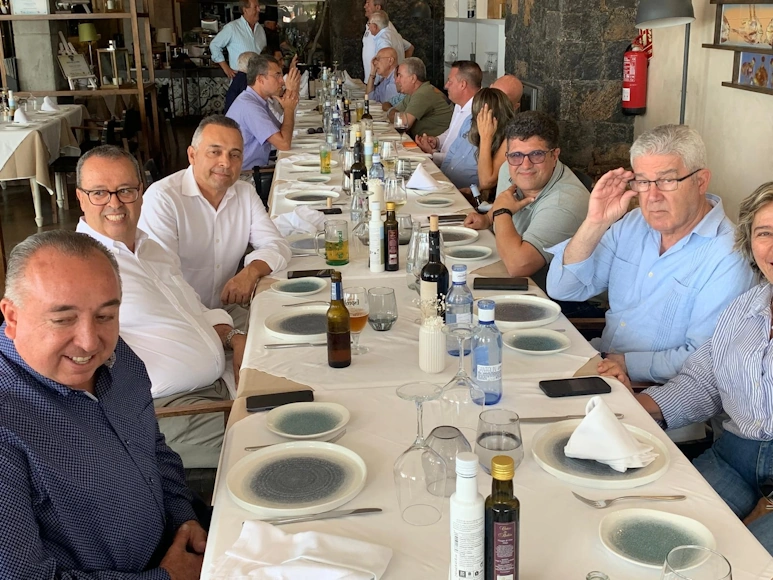
Your presidency has only just begun. When the time comes to take stock, what would you like to have achieved, and what sort of Skål Canarias Islas Orientales would you like to leave behind for those who carry on the work?
I would like to leave behind a well-established, active club that truly represents the tourism sector in the eastern islands; a Skål that is connected to the wider community and has a solid foundation of collaboration amongst professionals, upon which future executive committees can continue to build.
To conclude, a question that the twelve presidents of this series will answer: if you had to define Skål in a single sentence, what would it be?
«For me, Skål »It is a network of professionals who are passionate about tourism and who pool their experiences to strengthen the sector, create opportunities and celebrate friendship.'