


The Mediterranean roots that helped transform the cultural capital of the South
More than 140 years after Pablo Picasso was born in Plaza de la Merced, the artist's influence remains deeply ingrained in Málaga. His legacy is not only part of the city's identity but has also become a key element in its cultural and tourist appeal.
The light and roots of a universal creator
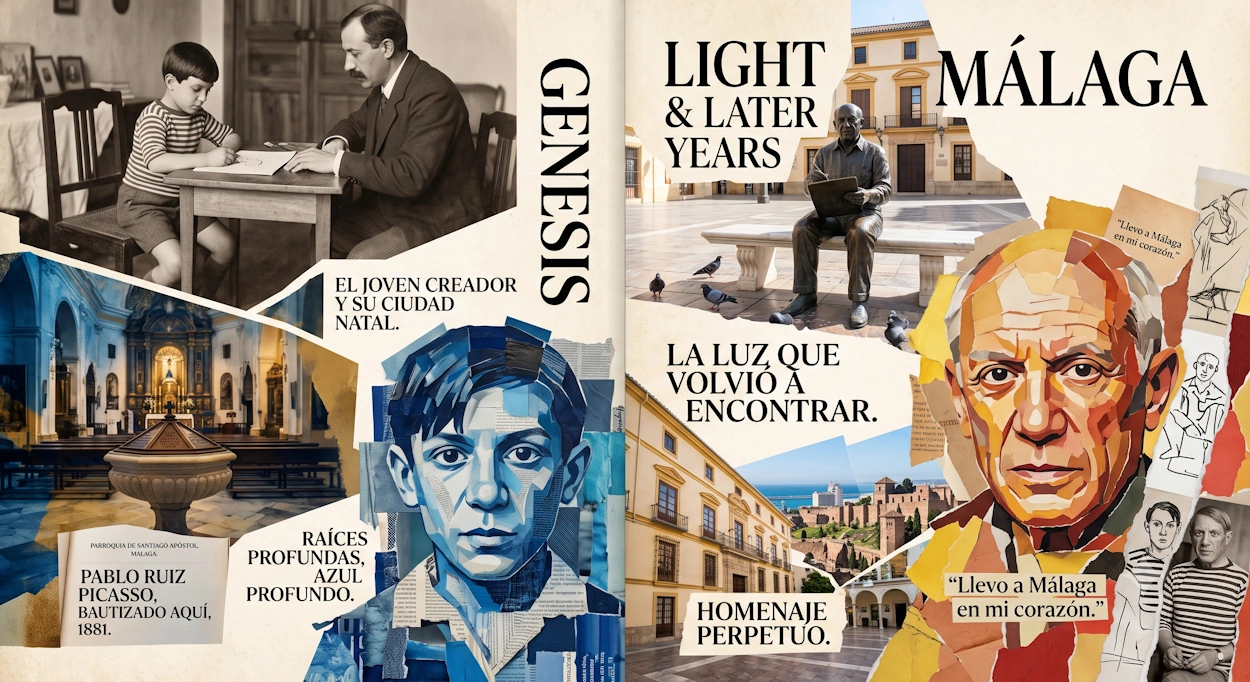
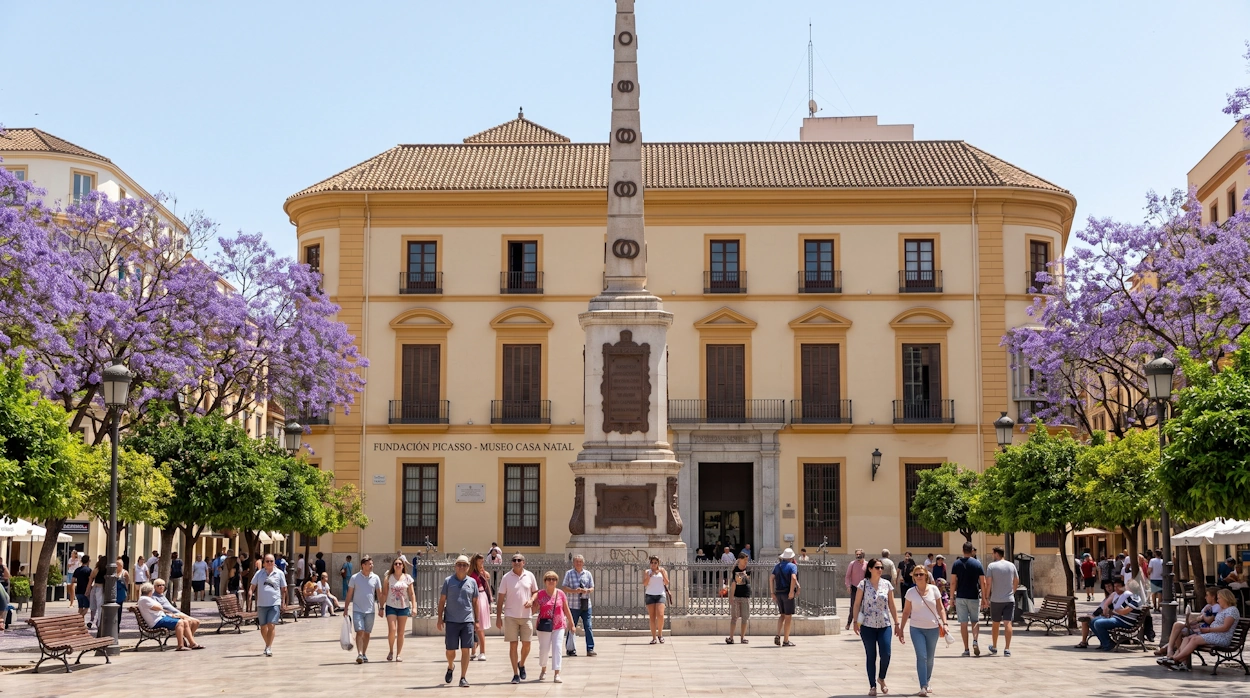
Pablo Ruiz Picasso was born on October 25, 1881, in Málaga, in a house located in the Plaza de la Merced. There he spent the first years of his life, the man who would eventually become one of the essential figures of 20th-century art.
His subsequent career was linked to other major European cities. Barcelona, Paris, and various locations in France would become key chapters in his life. However, before all of that, there was Málaga.
The city at the end of the 19th century, the Mediterranean, the port, the pigeons, the bullfights and the intensity of the Southern light were part of the visual universe of his childhood.
Those images didn't simply remain as family memories. The connection between Picasso and Málaga is now part of how the city presents and revisits the artist's early years.
Picasso left Malaga as a young man, but Malaga never completely disappeared from Picasso's story.
Today, that relationship between a universal creator and the city where he first began to observe the world is one of Málaga's greatest cultural assets.
A city that brought Picasso back
For decades there was a desire for the artist's work to be permanently present in his hometown.
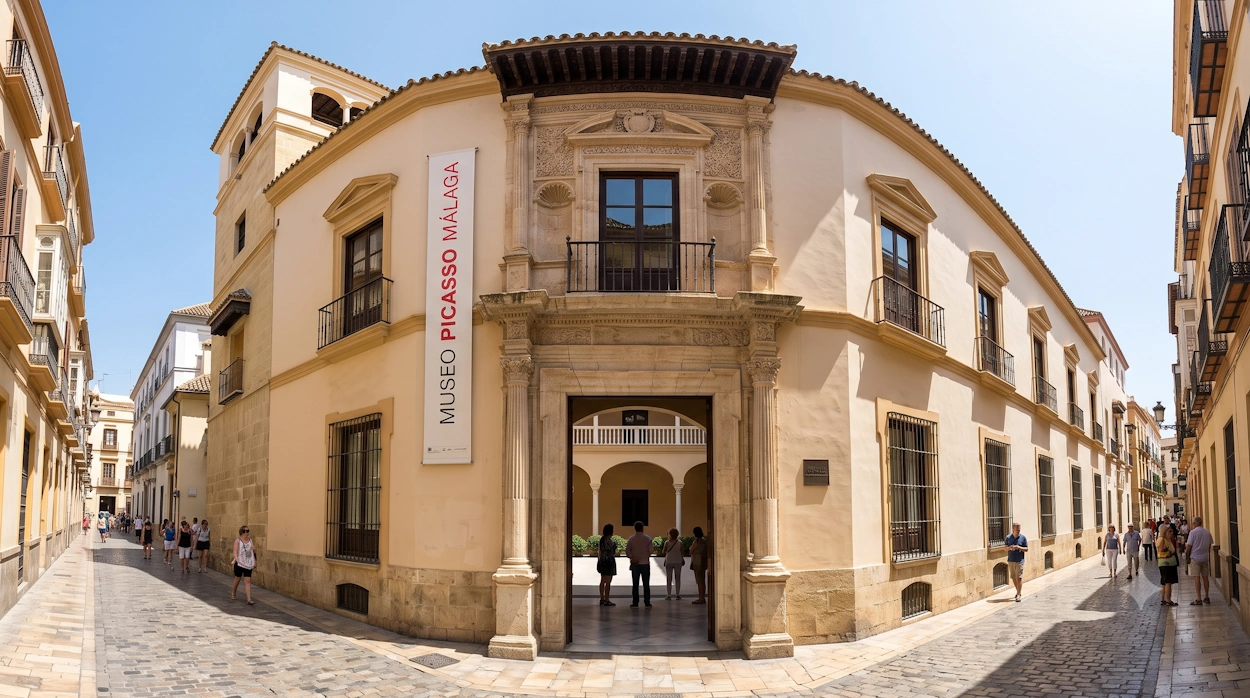
That link acquired a new dimension with the opening, in 2003, of the Picasso Museum Malaga, housed in the Buenavista Palace, in the heart of the historic center.
Its inauguration signified much more than the opening of a new exhibition space. Málaga now had a major institution dedicated to the artist born in its streets, whose work forms part of the universal history of art.
But the city's relationship with Picasso doesn't end at the museum.
The Birthplace, Located in Plaza de la Merced, it allows visitors to return to the place where his story began. From there, Málaga offers the opportunity to trace his early years through various spaces linked to his life.
The Church of Santiago, where he was baptized; the Plaza de la Merced itself; his former school; and other places connected to his childhood and later visits to Málaga allow visitors to trace the artist's family and personal life. This Picasso Route offers visitors a unique perspective, allowing them to rediscover the city through the eyes and experiences of the young painter.
Thus, the Picasso experience in Malaga does not end with a work of art. It continues in the streets, squares, and buildings that formed part of his first glimpse of the world.
The city itself becomes part of the story.
Picasso and the cultural transformation of Malaga
The consolidation of Picasso's presence in Malaga is part of a much broader process of cultural transformation in the city.
Over the last few decades, Málaga has significantly expanded its range of museums and cultural attractions, forging a new image that complements the city’s traditional reputation as a tourist destination. Costa del Sol the climate and the Mediterranean.
The Picasso Museum is not an isolated entity. It forms part of a cultural ecosystem that includes institutions such as the Centre Pompidou Málaga, the Carmen Thyssen Museum, the CAC Málaga, and the Museum of Málaga, along with a significant theatrical and performing arts scene. Few destinations manage to bring together such a wide variety of museums, theaters, and historical heritage in a single space, making art the true hallmark of the city.
Within that process, Picasso occupies a particularly symbolic place.
Its international dimension provides Malaga with something extraordinarily valuable for any destination: a cultural identity recognizable virtually anywhere in the world.
Visitors drawn to Malaga by Picasso inevitably discover many other dimensions of the city.
Discover its streets, its heritage, its architecture, its gastronomy, other museums and cultural spaces and, of course, the Mediterranean.
Culture then ceases to be an isolated activity and becomes integrated into the complete travel experience.
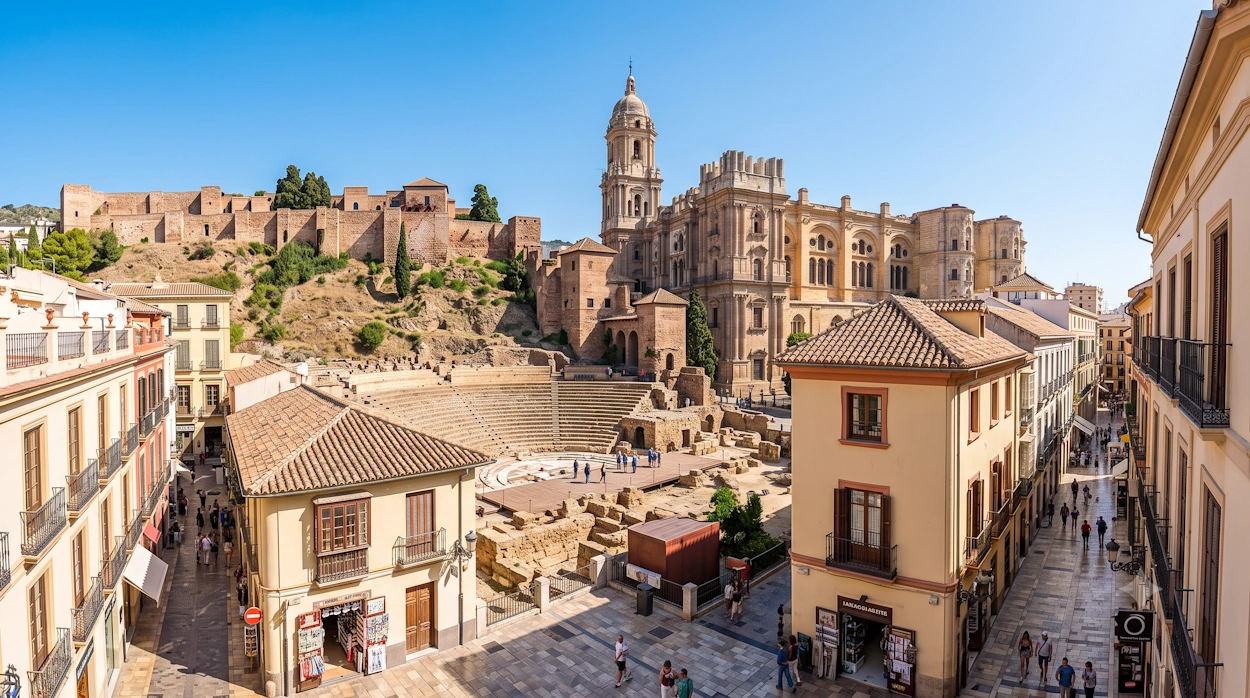
From the museum to the destination experience
Cultural tourism also has a particularly important advantage: it helps diversify the reasons for visiting a destination.
Those who travel to visit a museum, attend an exhibition, or discover the heritage of a city do not necessarily depend on the summer season.
Culture thus becomes a fundamental tool for reducing tourism seasonality and broadening the reasons why travelers choose to visit Malaga.
But its value goes beyond that.
The cultural visitor explores the city, enters its establishments, discovers its gastronomy, learns about other heritage sites, and seeks experiences related to the identity of the place.
In Malaga, Picasso's legacy allows one to construct precisely that type of journey.
From Plaza de la Merced to Palacio de Buenavista, visitors can traverse a large part of the historic center, following a story that began more than a century ago and continues to be part of the city's cultural life.
Picasso thus becomes more than just a name associated with a museum: he is a gateway to discovering Malaga.
Culture, identity and international reach
Competition between tourist destinations is no longer solely about climate, infrastructure, connectivity or hotel capacity.
What sets a destination apart is becoming increasingly important.
Culture plays an essential role there because it connects the visitor with the history and identity of a territory.
Málaga has the unique distinction of being the birthplace of one of the most influential artists in contemporary history. Transforming this fact into a genuine cultural and tourist asset involves preserving, interpreting, and disseminating this legacy while simultaneously connecting it to the rest of the city.
Picasso belongs to the world, but the beginning of his story belongs to Malaga.
More than 140 years after it began, that relationship continues to generate culture, knowledge, and a powerful motivation to discover the city.
And perhaps therein lies the greatest strength of Picasso's legacy for the destination:
Málaga doesn't need to invent a story to stand out. It just needs to keep telling its own.