

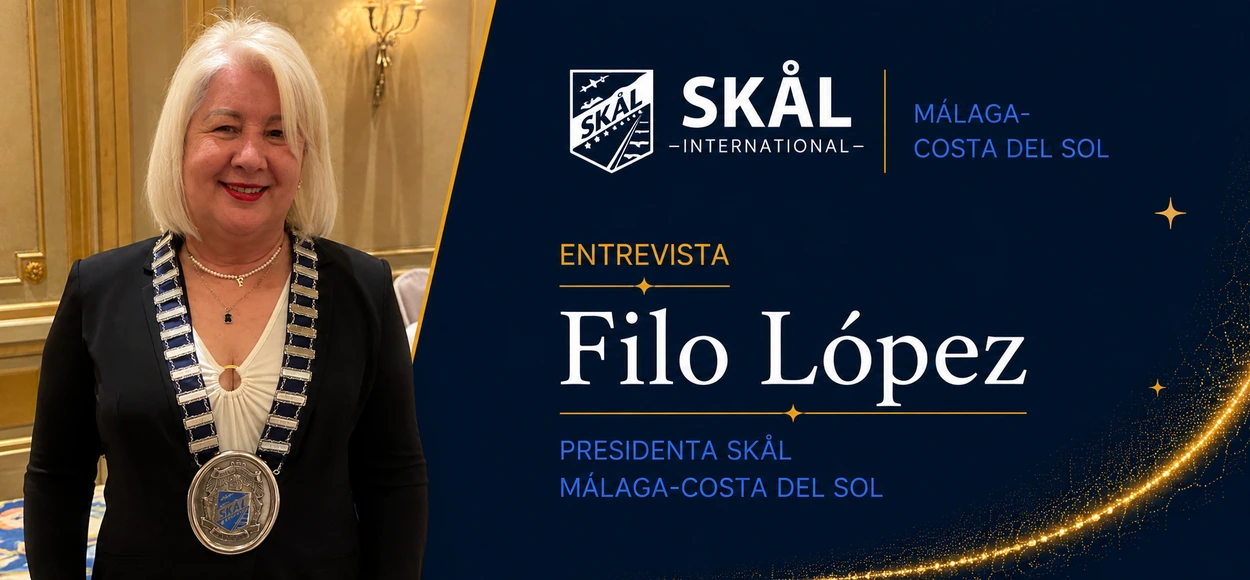
Some careers are best understood not through job titles, but through the experiences that shape them. Filo López's journey began far from the boardrooms and networking events she now frequents. At just sixteen years old, she left a small village in Galicia and moved to Barcelona determined to work, study, and build a future for herself.
Her story is shaped by recurring themes: training, professionalism, service and people. She speaks of learning before leading, of bringing back smiles and courtesy to customer service, and of using professional relationships to connect, share and help.
That same way of understanding tourism is behind her relationship with Skål and the creation of Skål International Ciudad Condal Barcelona, a young club that has experienced rapid growth and seeks to bring its members together, encourage collaboration and create opportunities among them.
In “At the Head of Skål”, we spoke with Filo López about her career, her approach to the profession, the founding of Ciudad Condal, and the projects through which she hopes to contribute to the future of the sector. During the conversation, a phrase emerged that encapsulates much of her character and her approach to challenges: “No is not an option.”
The interview
Filo, before we talk about Skål, I’d like to start with you. You came to Barcelona from Galicia when you were just 16. How did your career in tourism begin?
I came from a village in Galicia when I was 16, with a relative, and I knew for sure that I wanted to work. I started working in an office and immediately thought, “This isn't for me.” After three months, a friend told me about a hotel that was looking for staff, so I went to see them. I was underage and needed a work permit, but I said, “I have two hands, I can work.” I wanted to work mornings so I could study tourism. That's how it all began.
You've mentioned that you started from the bottom and worked in practically every department of a hotel. How important has that been in shaping your understanding of the profession?
A great deal. I started out cleaning, and if I had to do it all over again, I would. I was a waitress, assistant executive housekeeper and executive housekeeper; I even spent time working as a dishwasher, and I also worked in purchasing, laundry and linens. I've always been someone who likes to know how things should be done. For me, it was all a learning experience.
Throughout your career, training has been a recurring theme. What continues to excite you about the industry today?
Training people. Helping them become true professionals, teaching them how to conduct themselves and encouraging them to learn. I always say that those who know can go anywhere; those who don't, won't get there. And not everyone is suited to everything. My passion remains teaching people.
You participated in the opening of the Hotel Rey Juan Carlos I for the Barcelona Olympic Games. What did that experience leave you with?
It was a very important period. I arrived almost by chance, accompanying a friend to an interview, and at first I hadn't even planned to apply. They eventually convinced me. It was a five-star luxury hotel, and my curiosity was piqued. I was there for almost fifteen years. What I learned most was how to deal with people who could be very warm and approachable, but also very difficult and demanding. If I could work with some of those people again, I would.
You said that something as simple as a smile has been lost in tourism. What do you miss in the sector today?
Professionalism. Nowadays it seems anything goes, and not everyone is cut out for working in tourism. I always say that a smile wins over a customer. Today we have many more resources and more languages, but a simple "good morning," a "good afternoon," politeness, and a smile will open doors. Tourism is very hard work, and you have to love and understand it.
If you had to explain Skål's philosophy from your own experience, what values make it different from any other professional association?
In reality, Skål's philosophy, from its very beginnings, is based on very specific human principles that distinguish it from any other tourism association or club. First, friendship, respect, equality, and dignity—values that necessarily lead to credibility. Second, Skål is a non-profit international association of tourism professionals whose main objective is to foster human and professional relationships within the sector. And third, our meetings and events are designed to strengthen bonds of friendship, freely share experiences and challenges within the sector, and create networking opportunities. By sharing these principles with Skål clubs around the world, our initiatives can transcend borders and reach thousands of Skål professionals.
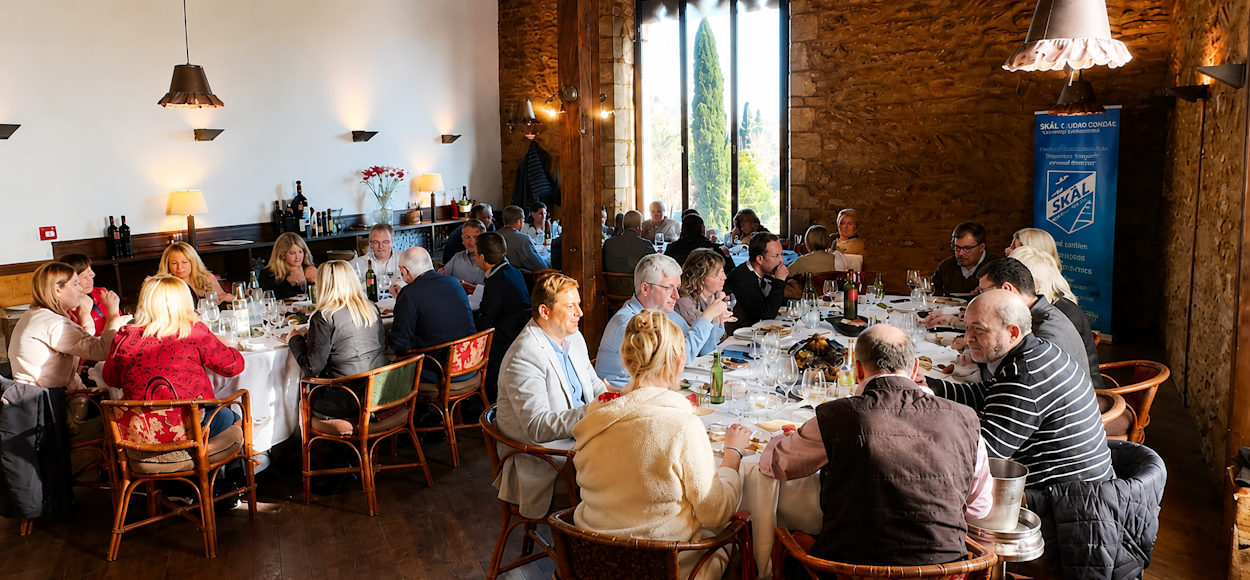
Your history with Skål is also rather unusual. After many years as a Skål member, you initially didn’t want to set up another club in Barcelona. What made you eventually change your mind and get things off the ground? Skål Barcelona?
I'd been a Skål member for about twelve years and had met so many people from other clubs. My Skål sponsor suggested that we start a club, but I initially refused because there was already one in Barcelona. Later, friends from Galicia, Málaga and other places gradually convinced me. I initially focused on Galicia, and then the opportunity arose to create another project. A friend suggested the name Ciudad Condal, which I remembered from childhood, and we began working on it. I'm incredibly proud of what we've created.
Barcelona's growth has been very rapid. What's the key to its success?
In friendship, in our members and, above all, in the team. I always say that Skål belongs to everyone. We have a great team, and that's why it works. When people participate and feel that the club is also theirs, things work.
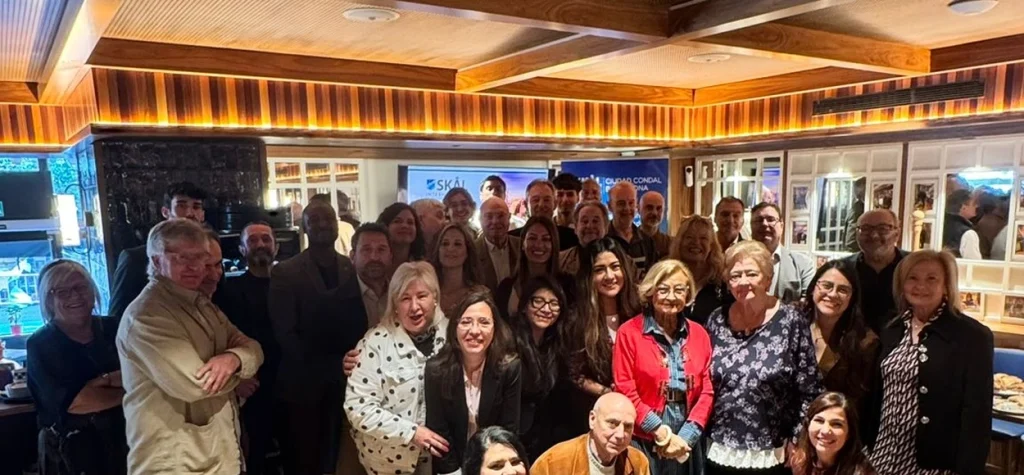
One of the club's initiatives is Red Café. What are you hoping to achieve with these gatherings?
Red Café was born from the team; the name was Ángel Domínguez's idea. We created it to get to know each other, to learn what company each of us works for, and how we can help one another. I always say: ask us what we can offer you, and tell us what you need. From there, groups and projects have emerged, including some related to job opportunities in the hospitality industry. We also organize afternoon gatherings and several larger get-togethers throughout the year to network.
How do you envision Skål in five years' time, and what projects would you like to have made a reality?
We have very exciting projects planned for the next five years, developed jointly by our Board of Directors and outlined in an ambitious action plan. The realities and challenges facing the tourism sector concern us, but above all, they are our focus. Our commitment will be unwavering in helping tourism recover its essential values: humanity, professionalism, the dignity of the worker, and excellence in customer service. We must reclaim pride in our profession and rediscover ourselves as true hosts.
One of our major projects will be the creation of a “Skål School,” focused on training and specializing professionals in the sector, with programs that allow each employee to acquire specific knowledge and certifications in different departments. At the same time, we will work on creating a specialized job platform specifically for the hotel industry, to facilitate the recruitment of qualified professionals and help address one of the sector's greatest current needs: finding and retaining talent.
We also want to pay special attention to young people who are finishing their studies and have projects and dreams, but need business training, guidance, or support to turn their ideas into reality. And, of course, we will continue to increase professional meetings and networking opportunities, generating new possibilities for collaboration and business for our members, as well as incorporating new members who bring talent, experience, and new opportunities to our organization.
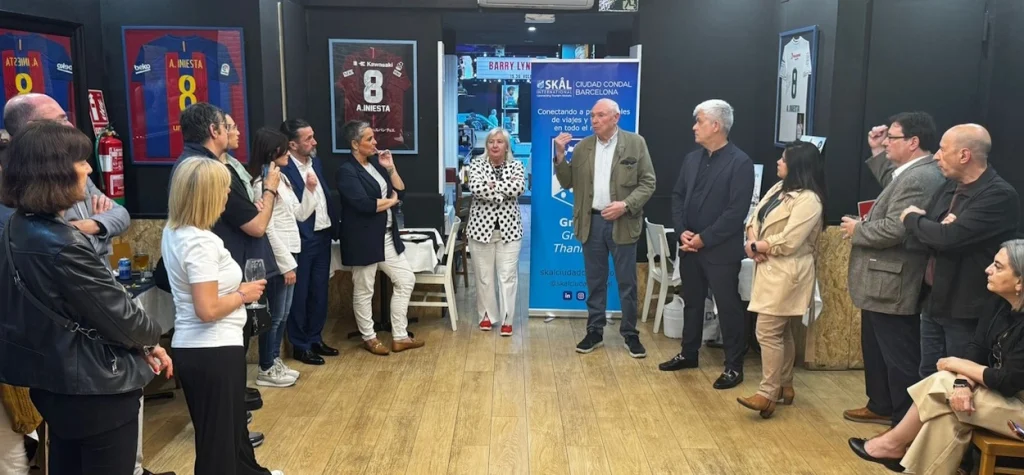
Skål needs to attract new generations. What should we offer them to make them want to join the organization?
This is one of the strategic lines of our project and is already included in our action plan, which has begun to be implemented with very positive results. Young people not only need good vocational training; they must also understand the true philosophy of working in tourism. They must love their profession, know the sector, and learn to transform their ideas into viable projects.
New generations must know how to leverage new technologies, but also understand the real possibilities for implementing their projects and adapting them to genuine business needs. To do this, they need support, guidance, and a mentoring period. And that's where Skål can play a fundamental role: supporting, training, and connecting young people with professionals and companies that can help them turn their projects into real opportunities.
And what are your thoughts on the Skål clubs in Spain? Is it possible to move towards greater collaboration between them?
Not all Skål clubs have unified projects. Although we share the same principles and a common philosophy, each club has its own characteristics, internal structures, and realities, determined also by the number of members and the particularities of its environment. However, there is something that unites us: the willingness to collaborate.
Skål clubs, both in Spain and around the world, are open to supporting joint initiatives and projects from other clubs. Furthermore, our meetings and assemblies allow us to share concerns and analyze the main problems and challenges currently facing tourism worldwide.
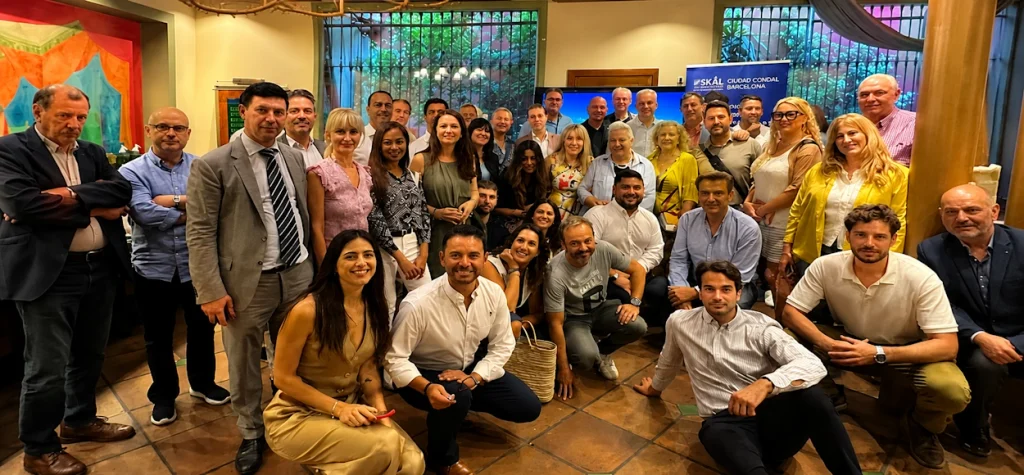
You talk a lot about helping and connecting people. Is that also a way of understanding your life outside of Skål?
Yes. I'm a very active person. I like connecting with people and helping them. If I meet someone who can connect with another person and be of help to them, that means everything to me. Then I also like coming home, being with my family and my dog, although I admit that it's very difficult for me to sit still.
Barcelona is a major tourist destination. How do you see the sector today, and what role can Skål play?
Tourism has an enormous impact today, and we need to take much better care of it. We depend on tourism, and we need to do it right. That's where professionalism comes in again for me. Skål can do so much, especially by helping to professionalize the sector. That would be one of my greatest hopes: that we can contribute, even if just in small ways, to what the tourism industry needs from us.
Your motto is “No is not an option.” What does it really mean to Filo López?
I fully identify with that idea. I try to convey it and instill it in everyone who works in our tourism industry, as well as in those who dream of being part of it in the future. When faced with a request, whether from a superior or a client, I believe the first response should always be positive and focused on finding a solution.
Then the difficulties will come: it could be a matter of money, time, resources, or dependence on others. But there is almost always an alternative. That's why ideas, resources, experience, and knowledge are so important.
Looking to the future, what is your biggest hope regarding Skål?
My greatest ambition is to help elevate Skål to an even higher level: a respected, useful, and educational organization with a strong reputation and solid professional credibility. I want Skål to be recognized not only as a meeting point for tourism professionals, but also as an organization capable of contributing knowledge, training, opportunities, and solutions to the future of our industry.
And, of course, I can't forget my own private businesses, to which I'll have to dedicate more and more time. But I'm convinced that both responsibilities can coexist when there's something fundamental: commitment, enthusiasm, and passion for what you do.
To finish off, here’s a question: if you had to define Skål in a single sentence, what would it be?
«Skål is a large international family where friendship builds trust, and trust creates opportunities in the world of tourism.”