

Javier, after more than thirty years of friendship and having shared so many stages of life, meetings and conversations about tourism, this interview holds a particularly personal significance for me. I’d like to use this opportunity not only to look back over your professional career, but also to get to know the person behind the executive and everything you’ve experienced over the past few decades.
We’ve known each other for over thirty years. Looking back, how do you remember that Javier from the early years, and what do you think has changed most about you since then?
I remember it with great fondness and nostalgia. I was much younger, of course, rather naive about certain things, but full of enthusiasm for learning and getting things done. I’ve always been very restless, and I think that was already part of me back then.
I’ve changed a lot over the years. Experience helps you put things into perspective, listen more and realise that not everything is as important as it seems at any given moment. I used to be in more of a hurry to get somewhere. Nowadays, I enjoy the journey much more and, above all, the people I share it with. As the years go by, as well as maturing, you gain experience and develop other values.
What initially drew you to the tourism industry, and what was it about this sector that led you to devote practically your entire working life to it?
To be honest, I don’t think there was ever a day when I decided: “I’m going to devote my life to tourism”. I got into this line of work by chance, through a mutual friend; it was my first job, at a travel agency, and little by little it drew me in.
There’s something special about tourism. It’s a very dynamic sector, very people-oriented, where something happens every day and you have to be constantly making decisions. And it also allowed me to get to know different countries, cultures and, above all, lots and lots of people. Before I knew it, a few years had gone by… and now it’s been over forty.
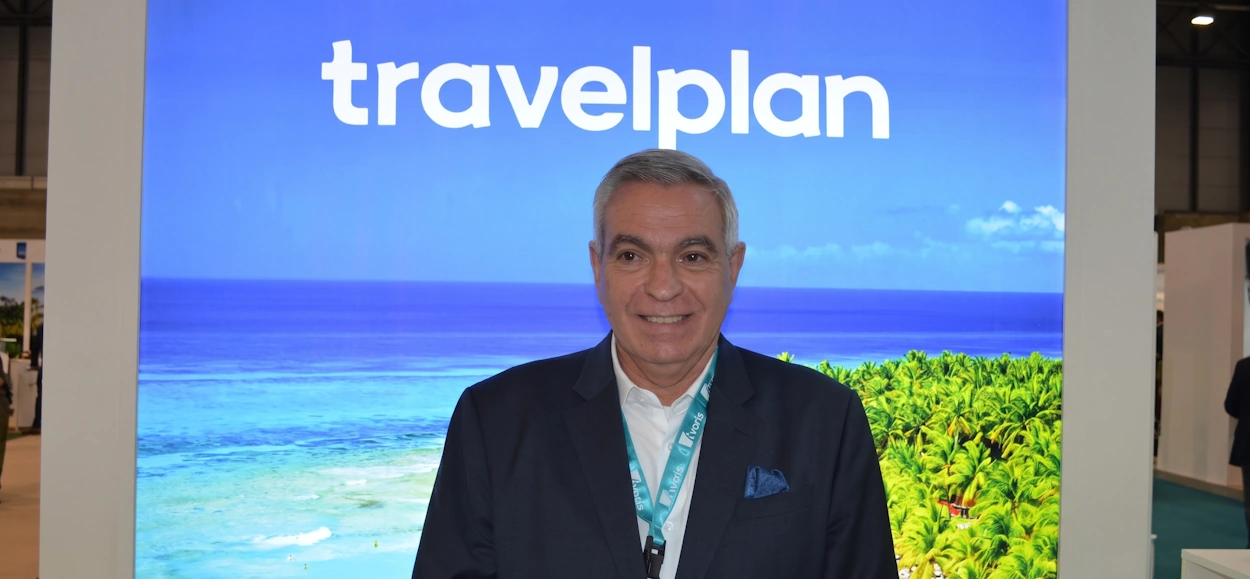
You have worked for companies and brands that have played a part in the recent history of Spanish tourism. Of all those early stages — Travelplan, Iberojet, Viva Tours, Apertur — which memories, people or lessons learnt remain particularly vivid?
So many things. Each stage has been different; they’ve all left their mark on me and helped me to continue developing. But when I think back on those years, strangely enough, it’s the people who spring to mind before the projects or the results.
I have been incredibly fortunate to have worked alongside extraordinary professionals, with whom we have achieved great milestones in this sector – milestones in which I have played a very active part, and this is what I am most proud of. Many of them have since become friends. Some of us still meet up thirty years on and it feels as though no time has passed at all, whilst others, sadly, are no longer with us.
There was also a different way of travelling. Probably more intuitive, more old-fashioned. We had less information, less technology and we certainly made more mistakes, but there was a tremendous enthusiasm for building things.
Over more than three decades, you’ve experienced very different times. Has there ever been a moment when you’ve seriously considered changing direction or even leaving the tourism industry?
It would be hard to believe if I were to say that, in over forty years, I have never thought about it, but those thoughts were short-lived.
There have been difficult times, both professionally and personally, when you wonder whether it’s really worth carrying on living with such high standards. But something curious has always happened to me: a project, an opportunity or simply a conversation comes along that rekindles my enthusiasm. An enthusiasm you never lose
At the end of the day, for better or worse, tourism is now part of my life; it’s the only sector I’ve ever worked in and the only thing I feel I know how to do. But every single day I devote to this profession, I still enjoy what I do.
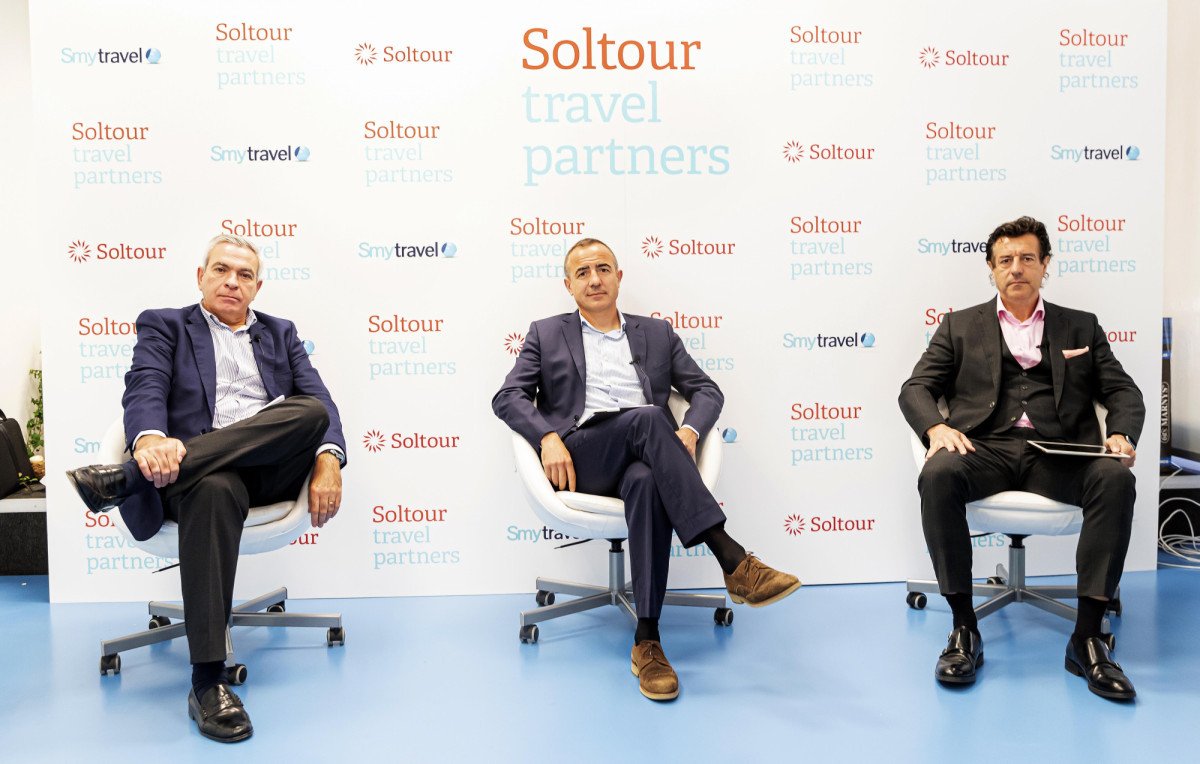
For more than thirteen years, you were at the helm of Soltour. Beyond the business results, what did such a long and intense period mean to you personally?
A great deal. More than thirteen years is a very significant part of both one’s professional and personal life.
I experienced some extraordinary moments and others that were very difficult, just like everyone else in the sector; we faced an unprecedented and historic situation – the pandemic – and everything that came with it. We made some good decisions and, of course, we got some things wrong too. But if I had to pick one thing, it would be the people and the team. When I say ‘people’ and ‘team’, I include the owners; it was an intense learning experience where, day in, day out, I witnessed the family’s involvement in the business and the enthusiasm and commitment they showed to the sector.
When you’ve spent so many years on a project, it ends up being much more than just a job. You live it, you struggle with it and you enjoy it. That’s why bringing a chapter like this to a close is never simply a matter of changing companies. You’re leaving an important part of your life behind.
Positions of the highest responsibility are often seen from the outside in terms of their successes, but they also involve pressure, difficult decisions and sacrifices. What aspect of that reality are people least aware of?
Probably the loneliness that comes with certain decisions.
From the outside, you see the senior roles, the business trips, the meetings and the good results. What you see less often are the nights when you take a problem home with you, the decisions that affect people, or those moments when there is no good solution and you have to choose the least bad one.
Nor are people aware of the times you’re absent from family and personal life – the times you’re not there, the important things you miss out on. It’s very important to have a family that supports you in this career; otherwise, it’ll be impossible. I’m lucky enough to have one.
Over the years, I’ve also come to realise that it’s not worth pretending you have all the answers. We don’t. I certainly don’t. And knowing how to surround yourself with good people and listen to them is probably one of the most important things you learn.
For many years, you’ve had to juggle extremely demanding professional commitments with your personal life. What is the cost of a career at this level, and what have you learnt over time about achieving a work-life balance?
It does come at a price, as I mentioned earlier…
For many years I’ve travelled a great deal, spent many hours away from home, and I’m sure I’ve missed out on moments that won’t come back. When you’re younger, you think you can be everywhere and that everything fits together. As the years go by, you realise that’s not always the case.
These days, I value my time much more highly – and, in particular, the time I spend with the people I love. If I could speak to that Javier from twenty or thirty years ago, I’d probably tell him that some meetings could wait, but certain personal moments couldn’t.
But I must stress that it is very important for your family to support you and to understand this profession. I have been lucky enough to have that support, despite having taken it for granted.
Throughout your career, you will have worked with hundreds of people. What personal qualities do you value most in someone today, and which people have had a particular impact on you along the way?
Honesty, loyalty, generosity and, above all, a commitment to people.
Over the years, you learn to spot quite quickly the people who are there when things are going well and, above all, those who stick around when things get tough. Those are the ones who really matter.
I have met dozens of excellent professionals, but when I think of the people who have really left a lasting impression on me, it is not necessarily because of how good they were at negotiating or running a business. I remember them for how they behaved towards me and towards others.
I have been immensely fortunate to have met many such people in this sector; I do not wish to mention them by name, as they themselves know what they have meant to me at every stage of my career.I am grateful to them and feel privileged to have been able to work alongside them; some – executives and business leaders – are no longer with us, whilst others remain active and lead major companies in the sector, and I have the privilege and honour of working with others still.
You’ve weathered economic crises, business changes, technological transformations and a pandemic that brought tourism to a standstill. What has been the moment in your career that has tested you the most personally?
There have been a few – many, I’d say – but the pandemic was probably something completely different.
In the tourism sector, we are always used to dealing with crises (wars, natural disasters, economic crises, etc.). But this was different. Suddenly, we saw aeroplanes grounded, hotels closed, borders shut and a global industry virtually at a standstill.
And behind it all were people. Employees, families, business owners… people wondering what was going to happen.
I think that situation made us all a bit more humble. It reminded us that, no matter how much experience you have or how well you plan, there are times when reality gets the better of you.
It was a terrible situation that I hope will never happen again. As well as the impact on the business, we lost colleagues and friends in the industry whom we still miss dearly today.
You’ve also experienced the sector through friendship. After so many years of many of us coming together at trade fairs, on trips, at meetings and on projects, how much value do you place on the personal relationships forged in the tourism industry that endure beyond companies and job titles?
They mean a great deal to me, and this interview is a perfect example of that.
After more than thirty years, Juanjo, you and I are still here talking about tourism and life. We’ve worked at different companies, held different roles and gone through various personal experiences, and yet our friendship endures. Over the years, you realise that job titles come and go and business cards change. What remains are the people.
One of the best things this profession has given me is precisely the friends I’ve made along the way, and I’m lucky to still be in touch with them.
The travel industry has changed radically since our early years in the sector. Is there anything about tourism back then that you miss, and anything about today’s tourism that you consider to be clearly better?
I miss a certain spontaneity. There used to be more conversation, more personal contact and perhaps more trust in people’s word. Many agreements were struck around a table and then, of course, had to be formalised.
But I don’t want to idealise the past either. Today we have better tools, far more information, and we can make decisions based on data that would have been unthinkable back then. Tourism has become far more professional.
If I had the choice, I’d probably opt for today’s technology and analytical capabilities, but with some of the personal relationships from the past.
Javier Castillo: a new chapter at Ávoris
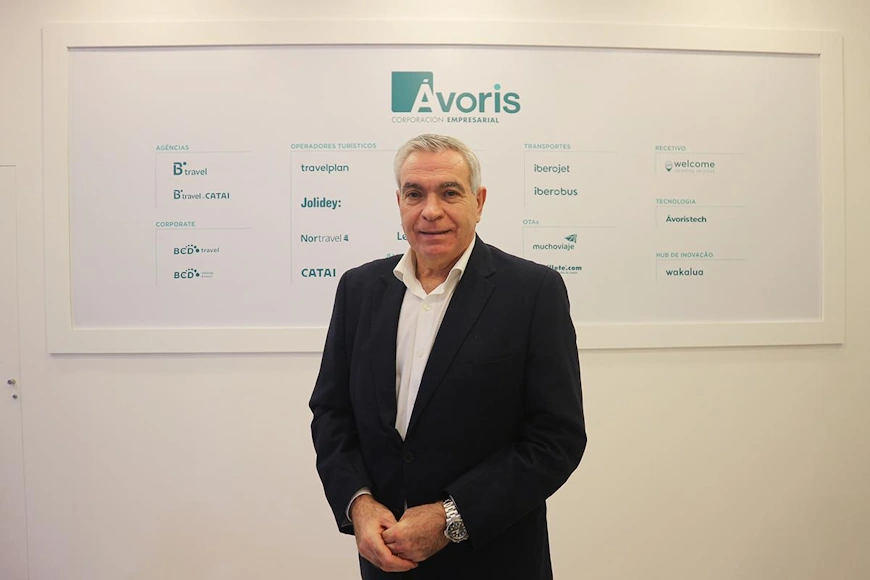
In 2022, you embarked on a new chapter at Ávoris, initially taking on responsibilities in Portugal and later heading up the tour operation. After so many years of experience, what made you feel excited again about a project of this scale?
Because I needed to feel once again that I had something to build.
After so many years in the profession, I wasn’t interested in simply holding a job. I needed to find a project that had scope, potential and, above all, the opportunity to do different things.
When the opportunity with Ávoris arose, that is precisely what I saw: a huge group, with many brands, a great deal of talent and extraordinary potential for creating synergies.
And something that remains fundamental to me: there was still so much to do. That’s what really motivates me.
You now manage a wide range of brands and teams. Has your leadership style changed over the years? Are you the same boss you were twenty or thirty years ago?
No. Fortunately, no.
Twenty or thirty years ago, I was certainly more impatient, more hands-on, and I thought I had to keep on top of far more things.
Experience has taught me that leadership isn’t about proving that you know more than your team. It’s actually about surrounding yourself with people who know far more than you do about certain things, placing your trust in them, and making them want to be part of the project.
I’m still quite demanding, because that’s just part of my nature, but I think I listen a lot more now and put problems into perspective much better.
When you look back on your career, what are you most proud of as a professional and, above all, as a person?
Professionally, I have had the opportunity to take part in major projects and to help build teams and companies of which I am very proud.
But when you start to look at your career with a bit of perspective, financial results, job titles or even certain achievements lose some of their importance.
What I’d really like is for the people who’ve worked with me to think that I was demanding – probably very much so – but that I was honest with them, that I gave them opportunities, and that I was there for them when things got tough.
If I manage to do that, I’ll be quite pleased.
And after so many years, so many projects and so many shared experiences, what still excites you, and what experiences do you still want to have, both within and outside the tourism sector?
Lots of things. And this might just be the best one.
I still get a real buzz from starting a new project, launching a new destination, sitting down with a team and thinking about how to create something that doesn’t yet exist. After all these years, I still feel that sense of curiosity.
But I’m also becoming increasingly excited about things outside of work: travelling simply for pleasure, spending time with my family and friends, enjoying a good meal, having a chat without keeping an eye on the clock, and all those little things that I perhaps didn’t pay enough attention to before.
I don’t know how long I’ll remain professionally involved in tourism, but I do know one thing: as long as I keep waking up eager to get on with things and continue to enjoy the company of those around me, I’ll keep finding reasons to start new projects.
To continue reading
Other Sinergia Skål discussions on the people who sustain tourism: José Manuel Lastra and the value of personal relationships y Santiago Vallejo and the stages of a professional life.
To find out more about the companies mentioned, please refer to the Soltour’s official resources and the Ávoris’ profile on UNWTO.